
Software Engineering in the Age of AI Agents
is AI replacing software Engineers? In this new era of technology new challenges come to our conversations.

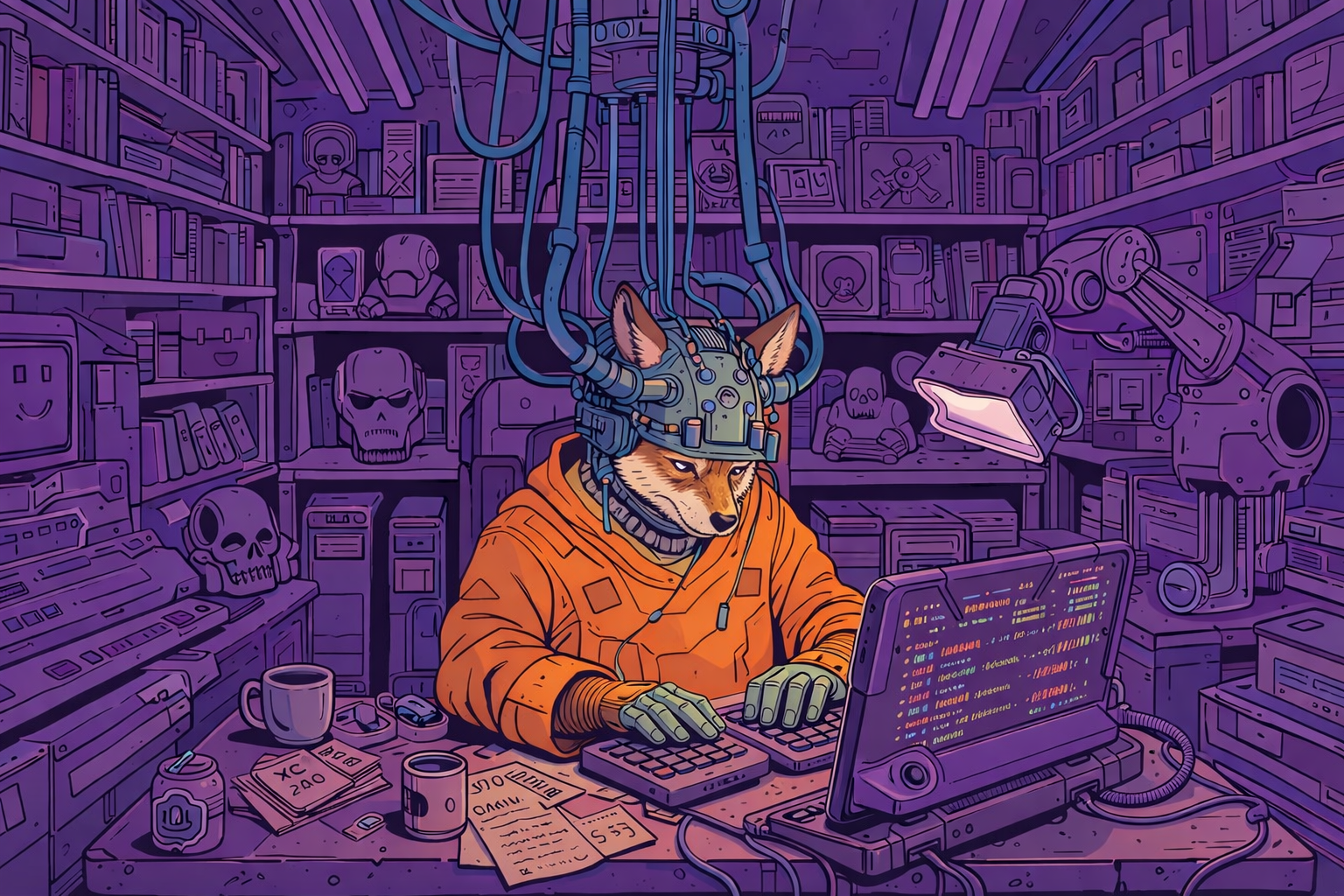
Why programmers aren’t disappearing — they’re evolving.
“The future is not about humans vs machines.
It’s about humans who know how to command machines.”
Every day I open social media or the forums where I like to spend time I read a couple of headlines to often:
- "AI will replace developers."
- "Jr developers are obsolete."
- "Soon nobody will write code."
And every time the narrative sounds the same: "The machines are coming" This feels like being in a terminator movie already.
But here’s the truth:
AI can generate code.
It cannot engineer systems.
And that distinction matters more than ever.
Let’s start here.
Code is syntax while Engineering is decision-making.
And while AI can:
- Generate CRUD endpoints.
- Scaffold projects.
- Suggest refactors.
- Write tests (sometimes decent ones).
AI does not:
- Define system boundaries.
- Design distributed architectures.
- Balance tradeoffs between performance and maintainability.
- Understand business constraints.
- Own production failures at 3AM.
Writing code is typing. Engineering is thinking. The difference is subtle — but critical.
Engineering Is About Systems
In the era of AI agents, complexity is increasing — not decreasing.
We now deal with distributed systems, event driven systems, Security and compliance and many other strong topics were AI can write code, functions even refactor and plan on features . In good hands can probably become way more powerful and I say good hands because that's where the engineering becomes a vital part of AI tools. And that’s not going away.
An engineer is capable of things beyond the imagination where people designed and dreamt. Where decision, design, evaluation and Architecture take place.
AI is a force multiplier where engineers are using agents as a power tool. A better compiler, a faster StackOverflow, a Jr assistant that never sleeps.
But power tools don’t eliminate architects.
They empower them.
The Rise of the AI-Augmented Engineer
The future engineer looks different. Write less boilerplate, designs more architecture. Now we will see engineers more focused on business logic rather than the tech stack itself. In other words Less typing and more thinking.
So now software engineering becomes more valuable.
When code generation becomes cheap correctness becomes expensive.
When scaffolding is instant architecture becomes the differentiator.
When anyone can spin up an AI agent reliability becomes the competitive edge.
And reliability doesn’t come from prompts.
It comes from engineering discipline.
Not to mentioned the responsibility layer. AI can suggest but humans are accountable. AI has no responsibility and features or production changes need to be done with care and caution.
The Matrix Analogy
In The Matrix, Neo doesn’t stop the machines by learning kung fu because he can download it. He becomes powerful because he understands the system. He can see the dots and connect them. And only there he is able to become the one.
AI lets you download syntax.
But only engineers see the system.
So after all of the convo here... Will Programmers Disappear?
No.
But programmers who only copy patterns might. The industry is shifting from:
“Can you write this function?”
To:
“Can you design this system?”
That’s evolution — not extinction.
What This Means for Us
At Foxlabs, we see AI as:
- A collaborator.
- A productivity amplifier.
- A research assistant.
- A testing partner.
But never the architect.
Because software engineering is not about writing lines of code. It’s about designing systems that:
- Scale.
- Survive Failure.
- Evolve.
- Serve humans reliably.
And that requires judgement.
The narrative that “AI will replace programmers” is seductive because it simplifies reality.
But reality is more nuanced.
AI will replace repetitive coding. It will not replace engineering.
So now engineers will be unstoppable.
Thanks for reading if you like what you read follow us in our linkedin or check our website.
 Foxlabs developers
 Foxlabs Developers